

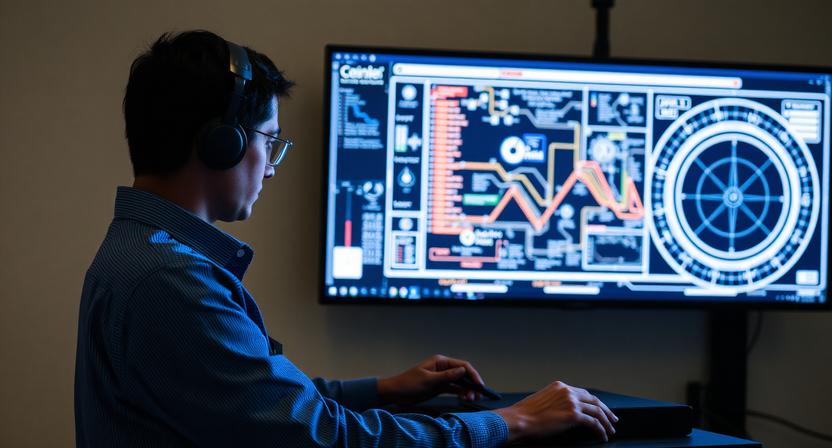

Technology and innovation have become the driving forces behind modern progress, influencing how people live, work, communicate, and solve problems. From everyday tools like smartphones to complex systems such as artificial intelligence and cloud computing, innovation continues to redefine boundaries across industries. In today’s fast-paced digital era, technology is no longer a luxury—it is a necessity that fuels efficiency, creativity, and growth.
At its core, technology is about applying knowledge to create practical solutions. Innovation, on the other hand, is about improving those solutions or introducing entirely new ideas that challenge traditional ways of thinking. When these two elements come together, they create powerful change. Businesses streamline operations, governments improve public services, and individuals gain access to opportunities that were once unimaginable.
One of the most significant impacts of technological innovation is automation. Tasks that once required hours of manual effort can now be completed in minutes with software, machines, or intelligent systems. Automation has improved productivity in manufacturing, logistics, healthcare, and finance. While it has raised concerns about job displacement, it has also created new roles that demand creativity, technical expertise, and problem-solving skills. The workforce is evolving, not disappearing.
Another major area of innovation is data and connectivity. The internet and digital platforms allow information to travel instantly across the globe. Businesses use data analytics to understand customer behavior, improve decision-making, and predict future trends. In education, technology enables remote learning and skill development, breaking geographical and financial barriers. Innovation in connectivity has made collaboration easier, faster, and more inclusive.
Healthcare is another sector transformed by technology. Innovations such as digital health records, remote consultations, and advanced diagnostic tools have improved patient care and accessibility. Technology helps doctors detect diseases earlier, personalize treatment plans, and manage healthcare systems more efficiently. These advancements demonstrate how innovation can directly enhance quality of life.
Sustainability has also become a key focus of technological innovation. As environmental challenges grow, innovators are developing cleaner energy solutions, smarter transportation systems, and resource-efficient technologies. From renewable energy to smart cities, innovation is helping societies reduce their environmental impact while supporting economic development. Technology plays a critical role in balancing progress with responsibility.
However, with rapid innovation comes responsibility. Issues such as data privacy, cybersecurity, and ethical use of technology must be addressed carefully. Innovation should not only focus on speed and profit but also on trust, fairness, and long-term impact. Responsible technology development ensures that progress benefits society as a whole rather than creating new risks or inequalities.
Looking ahead, the future of technology and innovation lies in adaptability. Industries and individuals who embrace change are more likely to thrive in an evolving digital landscape. Continuous learning, experimentation, and collaboration will remain essential as new technologies emerge and existing ones evolve.
In conclusion, technology and innovation are shaping a smarter, faster, and more connected world. They drive efficiency, unlock new possibilities, and help solve complex global challenges. When guided by responsibility and creativity, innovation has the power to transform not just industries, but the way humanity moves forward together.