

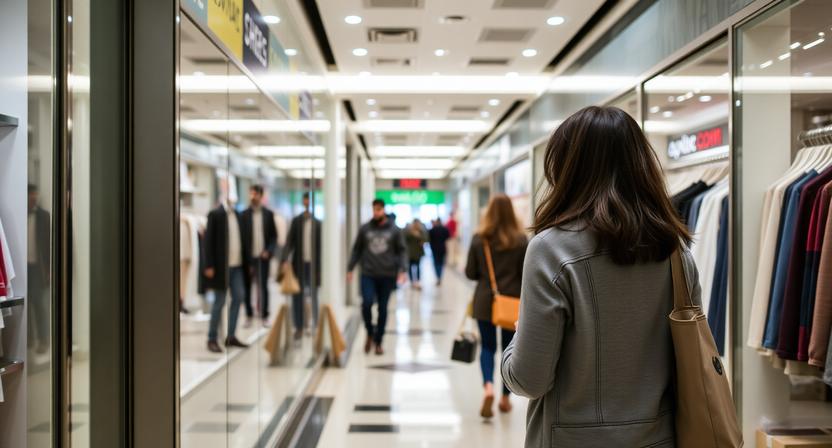

Shopping is no longer limited to transactional exchanges. It reflects shifts in consumer behavior, technology adoption, economic conditions, and cultural preferences. From physical retail environments to digital commerce ecosystems, shopping has evolved into a complex, data-driven experience shaped by personalization, convenience, and value perception.
This article explores how shopping behavior has changed, the key forces influencing it, and what these shifts mean for businesses and consumers.
1. The Transformation from Physical Retail to Omnichannel Commerce
Historically, shopping was centered around physical stores. Today, consumers interact with brands across multiple channels before making a purchase.
Key Developments
- Growth of e-commerce platforms.
- Expansion of mobile shopping via smartphones.
- Integration of physical and digital experiences (click-and-collect, curbside pickup).
- Real-time inventory visibility.
Strategic Implications
- Retailers must maintain consistent pricing and messaging across channels.
- Logistics and fulfillment efficiency are critical competitive factors.
- Customer experience now spans pre-purchase research, checkout, delivery, and post-sale service.
Omnichannel capability is no longer optional; it is a baseline expectation.
2. Data-Driven Personalization
Shopping experiences are increasingly tailored using data analytics and behavioral insights.
Applications of Personalization
- Product recommendations based on browsing history.
- Targeted promotional offers.
- Dynamic pricing strategies.
- Personalized email and mobile notifications.
Benefits
- Higher conversion rates.
- Increased average order value.
- Improved customer retention.
Consumers expect relevance; irrelevant messaging reduces engagement.
3. The Rise of Value-Conscious Shopping
Economic uncertainty and inflationary pressures have influenced purchasing decisions.
Observable Shifts
- Increased price comparison behavior.
- Growth of discount retailers and private-label brands.
- Expansion of loyalty programs.
- Emphasis on bundled offers and subscription discounts.
Consumers balance quality with affordability, prioritizing value over brand prestige in many categories.
4. Mobile and Social Commerce
Mobile devices now play a central role in product discovery and purchasing.
Key Trends
- Social media product integration (shoppable posts).
- Influencer-driven purchasing decisions.
- In-app checkout experiences.
- Live-stream shopping events.
Shopping behavior is increasingly integrated into entertainment and social interaction.
5. Experiential Retail and In-Store Reinvention
Physical stores are evolving from transactional spaces to experiential environments.
In-Store Innovations
- Interactive displays and digital kiosks.
- Personalized in-store consultations.
- Product demonstrations.
- Community events and workshops.
Retailers focus on creating differentiated experiences that cannot be replicated online.
6. Sustainability and Ethical Purchasing
Environmental and ethical considerations increasingly influence shopping behavior.
Consumer Priorities
- Eco-friendly packaging.
- Transparent supply chains.
- Ethical sourcing practices.
- Reduced carbon footprint.
Brands that demonstrate environmental responsibility often gain competitive differentiation.
7. Subscription and Membership Models
Recurring revenue models are expanding beyond media and software into retail categories.
Examples of Subscription Adoption
- Monthly curated product boxes.
- Automatic replenishment services.
- Paid membership programs with exclusive benefits.
These models increase customer lifetime value and predictability of revenue.
8. Frictionless Checkout and Payment Innovation
Payment convenience significantly influences purchasing decisions.
Recent Innovations
- Digital wallets.
- Buy-now-pay-later (BNPL) services.
- Contactless payments.
- One-click checkout systems.
Reducing friction at checkout improves conversion rates and customer satisfaction.
9. AI and Automation in Shopping
Artificial intelligence enhances both front-end and back-end retail operations.
Applications
- Chatbots for customer service.
- Automated inventory forecasting.
- Dynamic pricing algorithms.
- Visual search tools.
AI improves efficiency, personalization, and operational scalability.
10. The Psychology of Modern Shopping
Shopping decisions are influenced by cognitive biases and emotional triggers.
Behavioral Drivers
- Scarcity (“limited time offer”).
- Social proof (reviews and ratings).
- Anchoring (original price vs. discounted price).
- Convenience bias.
Understanding these psychological drivers allows retailers to design more effective shopping experiences.
Summary of Key Shopping Trends
| Trend | Impact on Consumers | Impact on Retailers |
|---|---|---|
| Omnichannel Retail | Seamless buying experience | Complex logistics integration |
| Personalization | Relevant offers | Data analytics investment |
| Value-Conscious Buying | Price sensitivity | Margin pressure |
| Social Commerce | Influencer-driven discovery | New marketing channels |
| Sustainability | Ethical purchasing decisions | Supply chain transparency |
| AI Integration | Improved experience | Operational efficiency |
Conclusion
Shopping has evolved into a highly dynamic, technology-driven process shaped by personalization, economic pressures, mobile integration, and sustainability considerations. Consumers expect convenience, transparency, and value across every interaction.
For retailers, success depends on integrating digital and physical channels, leveraging data responsibly, optimizing logistics, and adapting to behavioral shifts. As technology continues to advance, the shopping experience will likely become even more personalized, frictionless, and immersive.
Understanding these structural changes is essential for businesses seeking to remain competitive in an increasingly complex retail environment.