

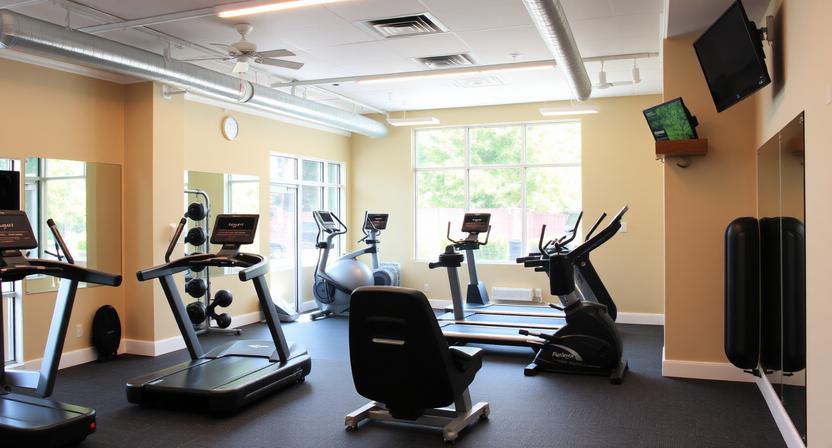

One of the primary ways exercise reduces stress is through physical release. Stress often causes muscle tightness and shallow breathing. Movement encourages muscles to relax and breathing to deepen, reducing physical tension. Even light activities such as walking or stretching can help release built-up stress from the body.
Exercise also influences stress hormones. Physical activity helps regulate the body’s stress response by reducing prolonged tension and encouraging a calmer state after movement. Over time, regular exercise improves the body’s ability to recover from stressful situations. This makes everyday challenges feel more manageable rather than overwhelming.
Mental clarity is another benefit of fitness-based stress management. Stress often creates mental overload, making it difficult to focus or think clearly. Exercise provides a break from mental strain by shifting attention to movement and breathing. Many people experience improved clarity and calm after a workout because the mind is given space to reset.
Consistency is important when using exercise to manage stress. Occasional workouts can provide short-term relief, but regular activity creates lasting benefits. Fitness routines that are easy to maintain help regulate stress levels more effectively. Short, frequent sessions often work better than long, irregular workouts.
Fitness routines do not need to be intense to reduce stress. Gentle activities such as yoga, stretching, or slow-paced cardio can be just as effective. The key is movement that feels supportive rather than exhausting. Stress management through fitness focuses on balance, not pushing limits.
Exercise also supports emotional resilience. Regular movement improves mood and emotional stability, making it easier to handle pressure. When the body feels stronger and more energized, emotional reactions often become calmer and more controlled. Fitness helps build confidence, which reduces stress related to self-doubt or fatigue.
Sleep quality is closely linked to stress levels. Regular exercise supports healthier sleep patterns, allowing the body and mind to recover more effectively. Better sleep improves stress tolerance and emotional balance. Fitness contributes to this cycle by promoting physical tiredness and relaxation at appropriate times.
Time spent exercising can also serve as personal space. Fitness routines provide moments away from screens, work, or responsibilities. This separation allows the mind to slow down and reset. Treating exercise as personal time rather than another task improves its stress-relief benefits.
Flexibility within fitness routines helps prevent additional stress. Rigid expectations around exercise can create pressure. Stress management through fitness encourages adaptability. On busy or challenging days, lighter activity still provides benefits. Consistency matters more than perfection.
Breathing awareness during exercise further enhances stress reduction. Controlled breathing helps calm the nervous system and increase body awareness. Fitness routines that incorporate mindful breathing promote relaxation and emotional balance. Breathing-focused movement encourages presence and reduces racing thoughts.
Lifestyle habits support exercise-based stress management. Adequate hydration, nutrition, and rest improve how the body responds to activity. When fitness aligns with overall healthy habits, stress reduction becomes more effective and sustainable.
In conclusion, fitness and exercise are effective tools for managing stress and restoring balance. Through regular movement, mindful routines, and realistic expectations, exercise helps release tension, improve mood, and strengthen resilience. Fitness supports both physical health and emotional well-being, making it a valuable practice for navigating daily stress with greater ease and confidence.