

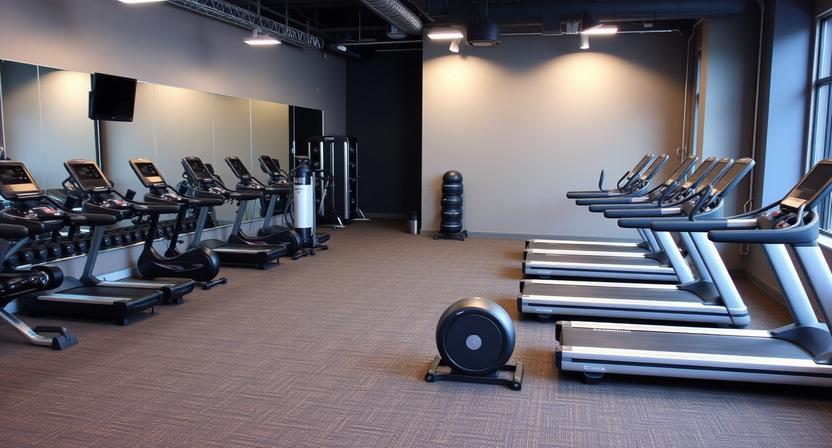

An active lifestyle begins with shifting perspective. Fitness does not have to mean intense workouts every day. Exercise can include walking, stretching, recreational activities, or structured training sessions. When movement is viewed as a normal part of daily life, consistency becomes easier to maintain.
One of the key elements of sustainability is choosing enjoyable activities. Fitness routines are more likely to last when they include movements people genuinely enjoy. Whether it is dancing, swimming, cycling, yoga, or strength training, enjoyment increases motivation. Exercise should feel rewarding, not like a constant obligation.
Consistency matters more than duration or intensity. Short workouts performed regularly often deliver better results than long sessions done occasionally. Fitness habits that fit into daily schedules are easier to sustain. Even ten to twenty minutes of movement can support health when done consistently.
Flexibility supports long-term adherence to fitness routines. Life circumstances change, and rigid plans can be difficult to maintain. A sustainable active lifestyle allows adjustments without abandoning movement altogether. On busy days, lighter activity still contributes to overall fitness. Adaptability helps maintain momentum rather than breaking routines completely.
Fitness also benefits from integrating movement into daily tasks. Taking stairs, walking more, stretching during breaks, or staying active during leisure time all contribute to an active lifestyle. These small actions reduce sedentary behavior and support overall mobility and energy levels.
Recovery is a crucial part of sustainability. Overtraining often leads to fatigue, injury, or burnout. Balanced fitness routines include rest days and recovery activities. Recovery allows the body to adapt and strengthen. Sustainable fitness values long-term health over constant exertion.
Exercise supports emotional well-being, which influences long-term commitment. Physical activity helps manage stress and improves mood. When fitness becomes a tool for feeling better mentally and emotionally, motivation shifts from external results to internal benefits. This mindset supports consistency even when physical changes are gradual.
Goal setting helps guide a sustainable fitness journey. Goals should be realistic, flexible, and focused on habits rather than outcomes alone. Goals such as exercising regularly, improving movement quality, or maintaining energy levels support long-term success. Fitness progress is not always linear, and goal flexibility prevents discouragement.
Lifestyle balance strengthens active living. Adequate sleep, proper nutrition, and hydration support exercise recovery and energy. When fitness aligns with other healthy habits, it becomes easier to maintain. A balanced lifestyle supports consistency without excessive strain.
Tracking progress can reinforce motivation, but it should focus on effort and consistency rather than perfection. Noticing improvements in strength, stamina, or comfort reinforces commitment. Fitness progress often appears gradually, and recognizing small improvements encourages continuation.
Social support can also strengthen a sustainable active lifestyle. Exercising with others or sharing goals increases accountability and enjoyment. Supportive environments make fitness feel more accessible and motivating.
In conclusion, fitness and exercise are most beneficial when approached as part of a sustainable active lifestyle. Through enjoyable activities, consistency, flexibility, proper recovery, and balanced habits, movement becomes a natural part of daily life. Sustainable fitness supports long-term health, energy, and well-being without pressure or burnout.