

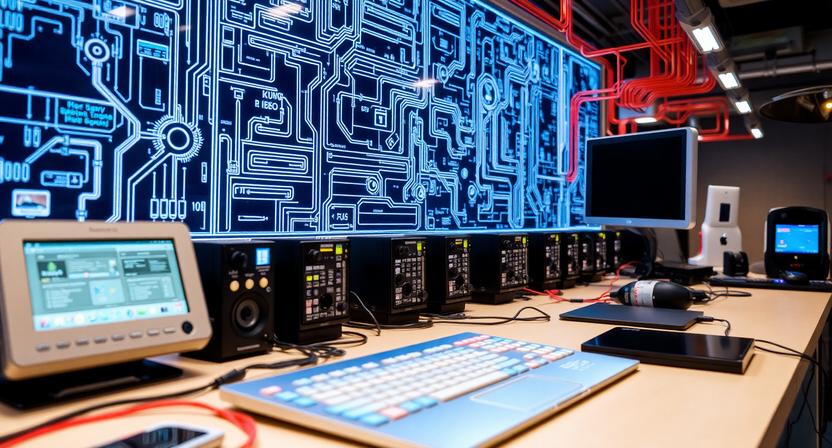

Technology and innovation have moved beyond being support systems and are now deeply embedded in everyday life. From how people communicate to how businesses operate, innovation shapes routines, expectations, and long-term strategies. The continuous evolution of technology reflects humanity’s desire to work smarter, connect faster, and solve problems more effectively.
One of the most noticeable impacts of technology is the speed at which information flows. Communication tools allow instant interaction across continents, enabling collaboration that was once limited by geography. Innovation in digital communication has strengthened global networks, supporting remote work, international trade, and real-time decision-making. This interconnected environment has reshaped how individuals and organizations respond to opportunities and challenges.
In industries such as manufacturing and logistics, innovation has driven efficiency and precision. Advanced tools help reduce waste, improve quality, and optimize supply chains. Technology enables real-time monitoring and predictive planning, minimizing disruptions and improving reliability. These advancements not only lower operational costs but also improve customer satisfaction by ensuring consistency and transparency.
Technology has also transformed consumer behavior. People expect services to be fast, personalized, and accessible at all times. Innovation in digital platforms has allowed businesses to tailor experiences based on user preferences and feedback. This shift has encouraged companies to focus on customer-centric design, using technology as a means to build trust and long-term relationships rather than just deliver products.
In the social and public sectors, innovation plays a key role in improving access to services. Technology supports better governance, streamlined public services, and improved access to education and healthcare. Digital systems reduce administrative barriers and allow resources to reach communities more efficiently. These changes demonstrate how innovation can contribute to social development alongside economic growth.
Sustainability has become an important driver of technological progress. As environmental concerns increase, innovation is focused on creating solutions that reduce energy consumption, minimize waste, and promote responsible resource use. Technology supports smarter infrastructure, efficient transportation, and cleaner production methods. These efforts highlight the role of innovation in balancing growth with environmental responsibility.
However, the rapid pace of technological change requires careful management. Issues related to data protection, digital dependence, and unequal access must be addressed to ensure fair outcomes. Innovation should be guided by ethical standards that prioritize security, transparency, and inclusivity. Responsible adoption of technology helps prevent misuse and builds confidence among users.
The future of technology and innovation lies in continuous learning and adaptation. Skills that were relevant yesterday may become outdated tomorrow, making lifelong learning essential. Innovation thrives when individuals and organizations remain curious, flexible, and open to experimentation. This mindset enables smoother transitions during periods of disruption and change.
In conclusion, technology and innovation are redefining how society functions at every level. They influence communication, industry, sustainability, and social development. When applied thoughtfully, innovation becomes a powerful tool for progress, enabling societies to adapt to change while creating meaningful and lasting impact.