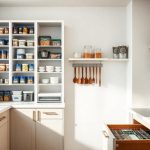



Multi-functional furniture is becoming an increasingly popular choice as households look for practical ways to maximize available living space. From compact apartments to family homes, furniture designed to serve more than one purpose is helping residents adapt to changing lifestyles and room layouts.
Modern furniture manufacturers now offer a wide range of products that combine storage, seating, sleeping, and workspace functions. Sofa beds, storage ottomans, extendable dining tables, foldable desks, and beds with built-in drawers are among the options commonly available. These designs allow households to make efficient use of limited floor space without sacrificing functionality.
Growing urbanization has contributed to increased interest in space-saving furniture. In many cities, smaller living spaces encourage homeowners and renters to seek furnishings that can perform multiple tasks throughout the day. Flexible furniture arrangements also allow rooms to be adapted for work, relaxation, dining, or entertaining as needed.
Home offices have further influenced furniture preferences. Many people now use desks that can be folded away after use or storage units that double as workstations. These solutions help maintain organized living areas while supporting remote work and study activities.
Furniture designers continue to focus on versatility and ease of use. Modular systems, movable components, and adjustable features allow users to reconfigure furniture to meet changing household requirements. Such adaptability has made multi-functional designs attractive for households with evolving space needs.
Retailers have expanded their collections to include furniture suitable for a variety of room sizes and budgets. Consumers can choose products designed for apartments, shared housing, family homes, and studio living, making flexible furniture more widely accessible than in previous years.
While selecting multi-functional furniture requires careful consideration of available space and intended use, many households appreciate its ability to reduce clutter and improve room efficiency. Durable construction and ease of maintenance are also common factors considered during purchasing decisions.
As modern living spaces continue to evolve, multi-functional furniture remains a practical solution for improving flexibility and making better use of available space. Its continued popularity reflects changing household needs and growing interest in adaptable home design.
• Multi-functional furniture combines multiple uses within a single product.
• Space-saving designs are increasingly popular in urban homes.
• Home offices have influenced demand for adaptable furniture.
• Modular and adjustable designs improve household flexibility.
• Retailers now offer versatile options across different budgets.
The growing demand for flexible living spaces has encouraged wider adoption of multi-functional furniture. Households increasingly value designs that provide practical storage and multiple uses without requiring additional floor space.
Multi-functional furniture continues to help households maximize living space through adaptable designs that support modern home lifestyles.