

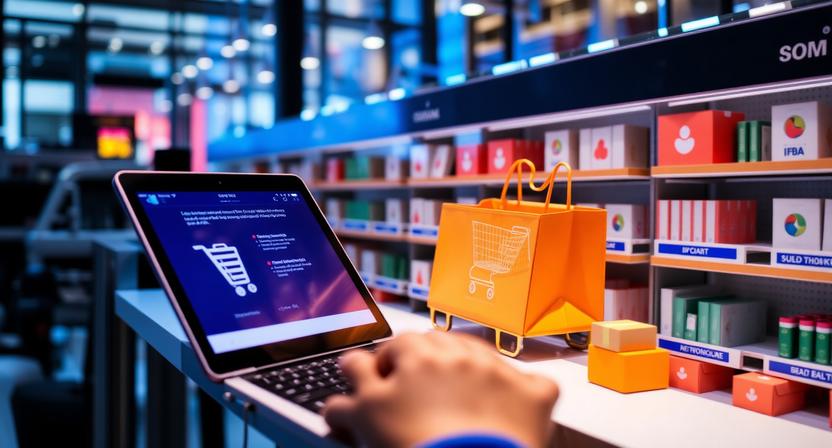

Online shopping is widely valued for its speed and accessibility. Consumers can browse products, read reviews, and compare prices without leaving home. For items like electronics or accessories, shoppers often research options from brands such as Apple, Sony, or Xiaomi online before making a decision. The ability to gather information quickly has made online shopping a starting point for many purchases.
Physical stores, however, continue to serve an important role. In-store shopping allows customers to see, touch, and try products before buying. Clothing retailers such as Levi’s or Zara attract shoppers who want to check fit, fabric, and comfort in person. This sensory experience builds confidence and reduces uncertainty, especially for products where feel and sizing matter.
Many shopping journeys now begin online and end in-store, or vice versa. A shopper may explore product details online, then visit a store to finalize the purchase. Others may browse in-store and later complete the purchase online after additional comparison. This flexible behavior reflects how consumers use each channel for its strengths.
Trust plays a role in deciding where to shop. Online shoppers rely on reviews, return policies, and secure payment systems. Physical stores build trust through staff interaction and immediate product access. Shoppers choose the channel that provides the most reassurance for a particular purchase.
Convenience also influences the balance between online and offline shopping. Online platforms offer time-saving options such as home delivery, while physical stores provide immediate ownership. For everyday essentials, shoppers may prefer quick store visits, while larger or less urgent purchases may be handled online.
Returns and exchanges affect shopping decisions as well. Online shopping is often evaluated based on return ease, while physical stores offer faster resolution. Shoppers factor post-purchase convenience into where they choose to buy. Clear policies support confidence in both environments.
Pricing transparency is another factor. Online shopping makes price comparison easier, encouraging informed decisions. Physical stores may compete by offering in-person support or bundled value. Shoppers weigh cost against service and experience when choosing between channels.
Social aspects also shape shopping preferences. Physical stores can be social spaces where people shop with friends or family. Online shopping, on the other hand, supports independent decision-making. Both experiences serve different emotional and practical needs.
Technology has narrowed the gap between online and offline shopping. In-store digital displays, mobile payments, and online order pickups blur boundaries. Shopping is no longer divided strictly by channel but shaped by convenience and personal comfort.
Different product categories naturally suit different shopping methods. Groceries, furniture, clothing, and electronics all involve varying levels of consideration. Shoppers adapt their approach based on risk, price, and familiarity.
The balance between online and physical shopping also evolves over time. As consumers gain experience and trust, preferences may shift. What matters most is flexibility—the ability to choose the best option for each situation.
In conclusion, modern shopping is not about choosing between online or physical stores, but about finding the right balance. Each option offers distinct advantages, and consumers use both strategically. By blending convenience, experience, and confidence, shopping today becomes more adaptable, informed, and aligned with individual needs.