

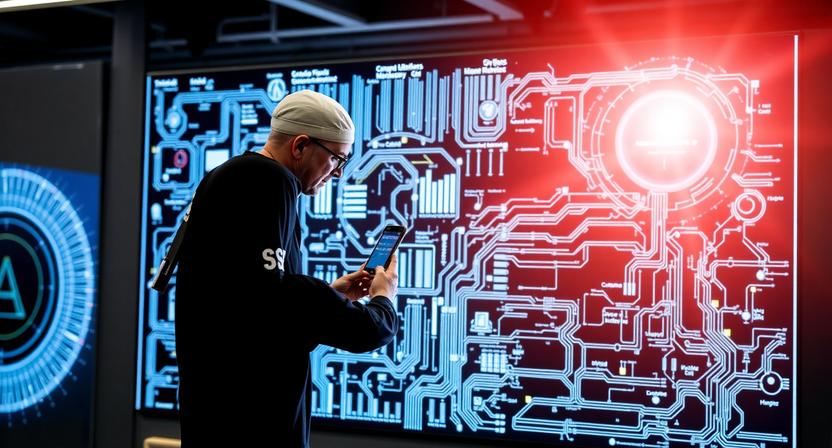

One of the primary contributions of technology is its ability to enhance coordination. Complex tasks involving multiple steps and participants can now be managed through integrated digital systems. Innovation refines these systems by improving responsiveness and adaptability. This coordination reduces delays, improves accuracy, and supports smoother execution across operations.
Technology also plays a vital role in improving efficiency without sacrificing quality. Innovation focuses on simplifying workflows and reducing unnecessary complexity. Automated processes handle routine tasks, allowing human effort to be redirected toward analysis, creativity, and strategic planning. This shift improves overall productivity while maintaining consistency.
Another important aspect of technological innovation is its influence on visibility. Digital tools provide clear insights into performance, progress, and outcomes. Innovation ensures that this information is presented in meaningful ways, enabling better understanding and quicker action. Improved visibility supports accountability and continuous improvement across systems.
Innovation further shapes how organizations approach growth. Technology allows expansion without excessive strain on resources. Scalable systems and flexible platforms enable growth that is controlled and sustainable. This approach reduces risk and supports long-term stability in dynamic environments.
Technology also affects how individuals interact with systems. Innovation prioritizes clarity, accessibility, and ease of use. Tools designed with users in mind reduce friction and improve adoption. When technology aligns with natural behavior and expectations, it becomes an enabler rather than an obstacle.
However, technological progress must be guided carefully. Innovation carries responsibility, particularly in areas such as security, data protection, and fairness. Systems that handle sensitive information require strong safeguards to maintain trust. Responsible innovation ensures technology benefits a wide range of users without creating unintended harm.
Technology plays an essential role in learning and adaptation. As innovation accelerates, skills must evolve alongside tools. Digital learning platforms provide flexible opportunities for continuous development. This adaptability helps individuals remain relevant and confident in environments shaped by rapid change.
Innovation also contributes to sustainability by encouraging smarter use of resources. Technology supports monitoring, optimization, and informed planning. When sustainability is integrated into system design, progress becomes more balanced and future-focused. This alignment helps address long-term challenges while supporting growth.
The relationship between technology and innovation is not limited to advanced sectors. Even traditional fields benefit from incremental improvements driven by modern tools. Small innovations applied consistently can lead to significant gains over time. This demonstrates that innovation is as much about refinement as it is about invention.
In conclusion, technology and innovation serve as pillars of modern development by enhancing coordination, efficiency, and adaptability. When applied thoughtfully, innovation ensures technology remains practical, responsible, and aligned with long-term goals. As change continues to accelerate, the strategic integration of technology will remain essential for sustainable progress.