

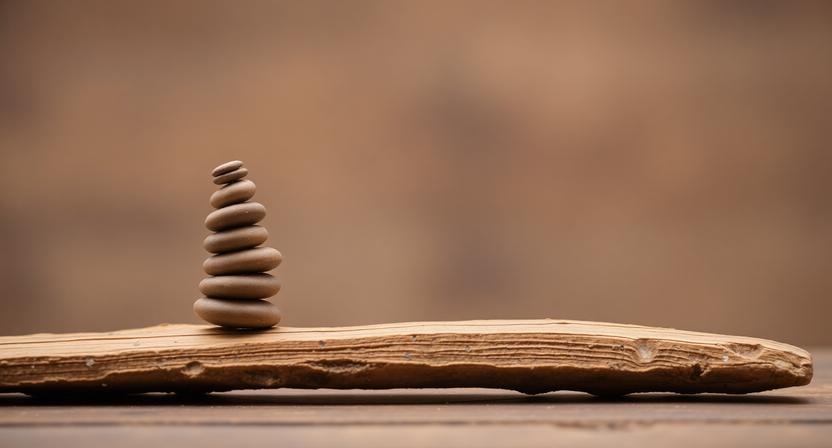

Balance begins with how people manage their time and energy. Many assume that being busy equals being productive, but endless activity without rest usually leads to exhaustion rather than achievement. When work dominates every hour of the day, creativity and focus decline. On the other hand, too much rest without purpose can lead to stagnation. Balance lies in knowing when to push forward and when to pause, allowing effort and recovery to work together rather than against each other.
Mental and emotional balance is just as important as physical balance. Constant exposure to stress, negative news, and comparison through social media can quietly drain emotional well-being. Without balance, people may feel overwhelmed, anxious, or disconnected from themselves. Taking time to reflect, relax, or engage in activities that bring calm helps reset the mind. Even small practices—such as spending a few minutes in silence or stepping away from screens—can restore clarity and emotional stability.
Balance also plays a key role in relationships. In a fast-paced world, relationships are often squeezed into leftover moments. When communication becomes rushed or distracted, misunderstandings grow. Healthy relationships require presence and attention, not just time. Balancing personal goals with care for family, friends, and colleagues helps maintain strong connections. It reminds people that success is not only measured by achievements, but also by the quality of the relationships they nurture along the way.
Another area where balance matters is ambition. Ambition drives progress, but unchecked ambition can lead to burnout and dissatisfaction. Many people reach milestones only to feel empty afterward, because they sacrificed their health, values, or happiness along the way. Balanced ambition means setting goals while remaining aware of personal limits. It involves celebrating progress, not just results, and recognizing that growth does not have to come at the cost of well-being.
Balance is not about perfect equality in every area of life. It changes with circumstances, priorities, and seasons. There will be times when work demands more attention, or when personal life needs extra care. The key is awareness. When people regularly check in with themselves—physically, mentally, and emotionally—they are better equipped to notice when something is out of balance and make adjustments before damage is done.
In a broader sense, balance helps people reconnect with purpose. When life becomes nothing more than a series of tasks, it is easy to lose sight of why those tasks matter. Balance creates space for reflection, learning, and enjoyment. It allows people to experience life fully, rather than simply rushing through it.
In a world that constantly pushes for more speed, more output, and more success, choosing balance is a quiet but powerful act. It does not slow progress; it makes progress sustainable. By valuing balance, individuals can protect their health, strengthen their relationships, and move forward with clarity and intention. Ultimately, balance is not about doing less—it is about living better.