


One of the most common forms of comparison is price evaluation. Shoppers often check multiple platforms or stores before purchasing. While a lower price may be appealing, many consumers also compare what is included—such as warranties, service quality, or return options. This approach reflects a shift from cost-focused buying to value-focused shopping.
Product features play an equally important role in comparison. When buying electronics, for example, shoppers may compare models from brands like Apple, Samsung, or OnePlus based on performance, usability, and longevity. Feature comparison helps consumers identify what truly matters to their needs rather than being influenced by brand reputation alone.
Reviews and ratings significantly influence comparison behavior. Shoppers rely on real user experiences to understand product performance beyond descriptions. Reading both positive and negative reviews helps set realistic expectations. Comparison through reviews often highlights practical details that marketing materials do not emphasize.
Quality perception is another factor shaped by comparison. Shoppers assess materials, build quality, and durability across options. For clothing, this may involve comparing fabrics or fit across brands such as Uniqlo, H&M, or Marks & Spencer. Quality-focused comparison encourages more thoughtful purchases and reduces dissatisfaction.
Convenience is increasingly part of comparison. Consumers evaluate how easy it is to browse, pay, receive, or return products. Shopping decisions are influenced by overall experience, not just the item itself. A smoother process can outweigh small differences in price or features.
Time investment also affects comparison habits. Some purchases require extensive research, while others rely on quick evaluation. High-involvement items such as appliances or furniture often involve detailed comparison, while routine purchases may depend on habit or familiarity. Shoppers balance effort and importance when deciding how deeply to compare.
Comparison helps manage risk. Buying unfamiliar products carries uncertainty, and comparison reduces that risk. Evaluating alternatives provides reassurance that the chosen option is reasonable. This sense of control increases post-purchase satisfaction and reduces regret.
However, excessive comparison can lead to decision fatigue. Too many options or conflicting information may delay purchases or create doubt. Some shoppers respond by narrowing choices quickly or returning to familiar brands. Effective comparison involves knowing when enough information has been gathered.
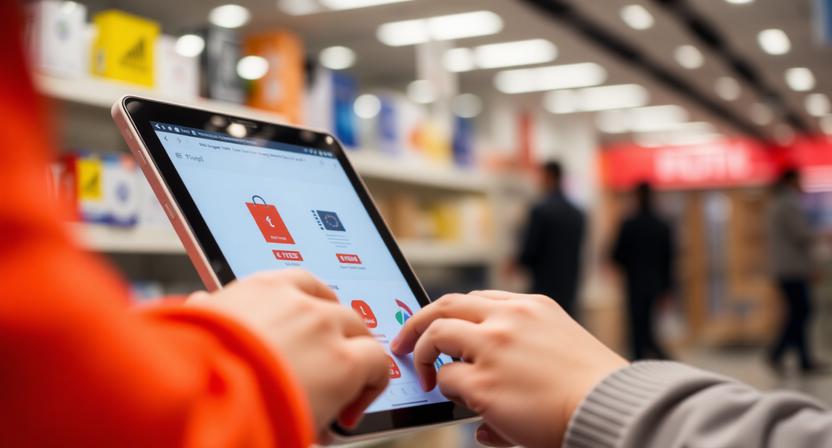
Digital tools have made comparison easier than ever. Filters, comparison tables, and user feedback simplify evaluation. These tools allow shoppers to focus on relevant criteria instead of scanning endless options. Technology supports smarter, faster decision-making when used intentionally.
Comparison also reflects changing consumer confidence. Modern shoppers trust their ability to evaluate options independently. Rather than relying solely on brand messaging, they use evidence and experience to guide decisions. This shift has reshaped shopping into a more balanced exchange between consumer and marketplace.
In conclusion, comparison plays a central role in smarter shopping decisions. By evaluating price, features, quality, convenience, and reviews, consumers reduce risk and increase satisfaction. While too much comparison can overwhelm, thoughtful evaluation empowers shoppers to make choices that align with their needs, values, and expectations. In today’s shopping landscape, comparison is not hesitation—it is a sign of informed and intentional buying.